
Side Dishes
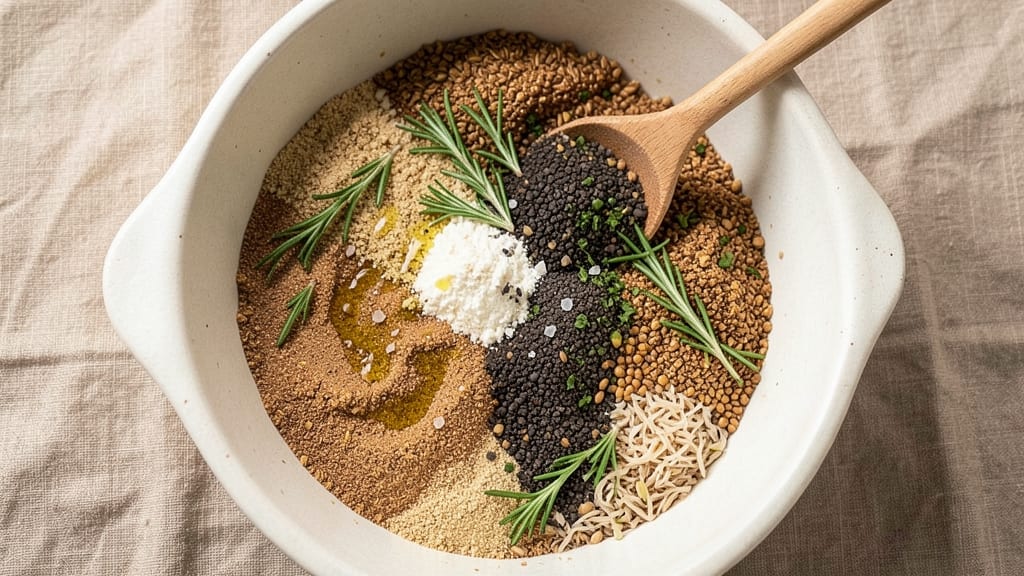
A 9-grain flour bread machine recipe transforms simple ingredients into artisanal loaves with nutty depth and an open, crusty crumb—no baking expertise required. The secret lies in the right flour blend and precise machine settings, which create that signature rustic texture and complex flavor profile.
This recipe delivers professional-quality results with minimal effort, perfect for sandwiches or toast.
The beauty of this method is its simplicity: just combine whole grains, yeast, and water, then let the bread machine handle the rest. The combination of wheat, rye, barley, and six other grains creates a hearty, slightly sweet flavor with a satisfying chew.
For best results, use a basic bread setting with a light crust option to ensure proper browning without burning.
What you’ll end up with is a loaf that’s golden-brown on the outside, with an open crumb structure and nutty undertones from the grains. The crust develops a satisfying crunch while the interior remains tender, making every slice worth savoring.
This bread freezes beautifully too, so you can make a batch ahead for busy weeks.
Whether you’re a beginner or an experienced baker, this recipe adapts to your skill level—just follow the machine’s cues and avoid overloading the pan. The result? A restaurant-worthy loaf that tastes like it came from a specialty bakery, all made in your kitchen.
Ingredients for 9 grain flour bread machine
Nine distinct flours and precise measurements create restaurant-quality bread in your machine.
| Ingredient | Amount | Notes |
|---|---|---|
| Whole Wheat Flour 🌾 | 1 ½ cups | High-protein for structure |
| Rye Flour 🌾 | ½ cup | Dark rye for depth |
| Barley Flour 🌾 | ½ cup | Fine-ground for texture |
| Spelt Flour 🌾 | ½ cup | Nutty, ancient grain |
| Oat Flour 🌾 | ¼ cup | Blended from rolled oats |
| Buckwheat Flour 🌾 | ¼ cup | Rich, earthy flavor |
| Millet Flour 🌾 | ¼ cup | Light, slightly sweet |
| Cornmeal 🌽 | ¼ cup | Fine-ground for crumb |
| White Whole Wheat Flour 🌾 | ½ cup | Balances texture |
| Active Dry Yeast 🍞 | 2 ¼ tsp | Freshly opened packet |
| Granulated Sugar 🍚 | ½ tsp | Feeds yeast activation |
| Salt 🧂 | 1 ½ tsp | Diamond Crystal preferred |
| Extra-Virgin Olive Oil 🫒 | ¼ cup | For dough elasticity |
| Warm Water 💧 | 1 ¼ cups | 110°F for yeast activation |
The flour blend is where the magic happens. King Arthur or Bob's Red Mill flours are ideal for their consistent quality—pre-sifted blends save time but cost more. Rye and buckwheat add depth but can overpower if too dominant, so I balance them with milder grains like oat and cornmeal. For best results, measure flours by weight if your machine allows it—volume measurements vary wildly by brand. The yeast must be fresh; if your packet's been open for weeks, toast it in the oven at 135°F for 5 minutes to revive it. Olive oil here isn't just for flavor—it improves gluten development, giving that signature open crumb structure.
No rye flour? Substitute dark whole wheat at half the amount, but expect a slightly less complex flavor. Buckwheat can be replaced with amaranth flour, though it's pricier. For a quicker version, pre-mix the dry ingredients in a food processor to blend the flours thoroughly—this ensures even distribution. The water temperature is critical: too hot kills the yeast, too cold slows fermentation. 110°F is perfect—use a thermometer if your kitchen runs hot. If your machine has a dough setting, use it; otherwise, the basic bread cycle with a light crust works perfectly. For an extra nutty flavor, toast the grains before blending into flour—just spread them on a baking sheet at 350°F for 10 minutes.
Store the loaf in a paper bag at room temperature for 2-3 days to maintain freshness. For longer storage, wrap tightly in plastic and freeze—it reheats beautifully in a 350°F oven for 8-10 minutes. The crust stays crisp for about 2 days if kept sealed. I always make a double batch: one for the week, one frozen for lazy mornings. The grains in this bread release starches over time, so day-old slices actually taste better—toast them for the ultimate texture. For sandwiches, slice while still warm to prevent gumminess.
Why You'll Love This Recipe
- No-Fuss Mix-In: The bread machine does all the work—just toss in those whole wheat, rye, barley, spelt, and oat flours with water and yeast, then walk away. Honestly, the hardest part is deciding whether to add honey or not.
- Earthy Depth Explosion: That blend of flours? It’s like a warm hug for your taste buds—nutty rye, chewy spelt, and toasty oats work together in a way that’s far more interesting than plain white bread. (Yes, even on a Tuesday night.)
- Meal Prep MVP: Slice it fresh, toast it later—this bread stays crisp for days without turning to cardboard. I make a loaf on Sundays and use it for sandwiches, dipping, or crumbs in meatballs all week.
- Pantry Stretch: Five flours, one loaf, zero waste—this recipe turns cheap, shelf-stable ingredients into something that feels special. Between us, it’s my secret weapon for cutting grocery costs without sacrificing flavor.
Step-by-step instructions for 9-Grain flour bread machine recipe
This method transforms diverse ancient grains into a loaf with nutty complexity and an open crumb structure.
Combine Dry Ingredients Precisely
In a large mixing bowl, whisk together all the flours systematically: begin with the 1.5 cups Whole Wheat Flour and 0.5 cup White Whole Wheat Flour to establish structure, then incorporate the remaining 0.5 cup Rye Flour, 0.5 cup Barley Flour, 0.5 cup Spelt Flour, 0.25 cup Oat Flour, 0.25 cup Buckwheat Flour, 0.25 cup Millet Flour, and 0.25 cup Cornmeal. Sift the mixture twice to eliminate any lumps and aerate the blend—this ensures even distribution of the heavier grains.
The combination of these flours creates a complex flavor profile where the rye and buckwheat add earthy depth while the millet and spelt contribute subtle sweetness. Don't skip the sifting; it prevents dense pockets in your final loaf. Use a fine-mesh sieve for the best results, especially with the coarser cornmeal and oat flour.
Activate Yeast with Warm Water
In a separate bowl, combine the 1.25 cups Warm Water (tested at 110°F with a thermometer) with the 0.5 tsp Granulated Sugar and 2.25 tsp Active Dry Yeast. Let this mixture sit for 5-7 minutes until it becomes frothy and bubbly—this confirms the yeast is active and ready to leaven the dough.
I always double-check the water temperature because yeast activates best between 105-115°F. If the water is too hot, you'll kill the yeast; too cold and it won't activate properly. The frothy bubbles indicate the yeast is consuming sugar and producing carbon dioxide, which is essential for the bread's rise.
Mix and Knead in the Bread Machine
Transfer the dry flour mixture to your bread machine pan. Add the yeast-water mixture along with the 1.5 tsp Salt and 0.25 cup Extra-Virgin Olive Oil. Select the "Dough" setting on your bread machine—this typically requires 2-3 hours for optimal gluten development.
Here's where the olive oil plays its crucial role: it enhances dough elasticity and prevents cracking. The bread machine will automatically knead the dough until it reaches the ideal consistency—smooth, slightly tacky, and elastic. If your machine has a window, you'll see the dough transform from shaggy to cohesive within the first 30 minutes.
Shape and Proof the Dough
Once the dough cycle completes, remove it from the machine and turn it out onto a lightly floured surface. Gently shape it into a round boule by pulling the edges toward the center and tucking them underneath. Place the shaped dough seam-side down in a lightly greased loaf pan.
Cover the pan with a damp kitchen towel and let the dough proof at room temperature for 1-1.5 hours until it has visibly risen by about 50% and springs back slowly when gently pressed. This slow proofing develops the open crumb structure characteristic of artisanal breads. I recommend using a digital scale to verify the dough has doubled in weight—this is the most reliable indicator of proper proofing.
Bake to Crusty Perfection
Preheat your oven to 375°F with a baking stone or inverted baking sheet on the middle rack. Transfer the proofed dough to the preheated stone and bake for 35-40 minutes until the internal temperature reaches 205-210°F and the crust develops a deep golden-brown color with visible blisters.
The baking stone creates steam that promotes oven spring—the rapid rise that gives bread its open crumb. Listen for a hollow sound when tapping the bottom of the loaf, which indicates proper doneness. For extra crust development, I recommend brushing the loaf with additional olive oil after the first 20 minutes of baking. Cool completely on a wire rack before slicing to allow the crumb to set properly.
Pro Tips For Making 9 Grain Flour Bread Machine
- Sift the Oat Flour: Whole oats are a pain to blend perfectly—unless you sift them first. Pulse your oat flour in a food processor, then push it through a fine-mesh sieve to break up any grit. This keeps your bread machine’s motor happy and stops those annoying specks in every slice.
- Hydrate the Rye Early: Rye flour drinks up water like a sponge. Mix it with your yeast and warm water before adding the rest of the dry ingredients—this gives it time to soften and prevents a gummy, dense loaf. I learned this after my first batch turned into a brick.
- Skip the Extra Water: Nine grains mean more moisture absorption than all-purpose flour. Stick to the recipe’s water measurement unless you’re using freshly milled or coarse flours—adding more won’t fix dryness, it’ll just make a soggy mess. Trust the ratios.
- Use a Damp Brush: The crust on this bread dries out fast. Before baking, lightly dampen a pastry brush with water and swipe it over the loaf’s surface. It’ll brown beautifully and stay soft longer—no need for fancy steam tricks. (Yes, even if you’re impatient like me.)
Dietary considerations for this dish
Gluten-Free Adaptations
If you need a gluten-free version, replace the wheat-based flours with a 1:1 gluten-free flour blend like Bob's Red Mill or King Arthur. Use 1.5 cups total of the blend, but add 1 tsp xanthan gum to mimic gluten's structure.
The rye and buckwheat can be kept, but reduce them to 0.25 cup each to avoid overpowering the flavor. 🌾
Low-Carb Modifications
For a lower-carb approach, swap 1 cup of the flour blend with almond flour or coconut flour. Since these flours absorb more liquid, reduce the water to 1 cup and increase the olive oil to 0.375 cup for moisture.
The texture will be denser but still flavorful. Keep the yeast amount the same—it works well with these alternatives.
Allergen-Friendly Options
For nut-free kitchens, omit almond flour and use sunflower seed flour instead. If buckwheat is a concern, substitute with quinoa flour (same amount). Always check labels—some flours are processed in facilities with nuts or gluten. I recommend Arrowhead Mills for certified allergen-free options.
Dairy-Free Considerations
This recipe is naturally dairy-free, but if you're using a store-bought flour blend with additives, verify for milk derivatives. The olive oil and water ensure no dairy is needed.
For extra richness, add 1 tbsp melted coconut oil to the dough—it enhances flavor without dairy. Always store in an airtight container to keep it fresh longer.
High-Protein Boost
Increase protein by adding 0.5 cup vital wheat gluten to the flour blend. This creates a chewier texture similar to sourdough.
For a plant-based boost, mix in 0.25 cup hemp seeds or chia seeds—they add fiber and omega-3s. Just reduce the water slightly (1.125 cups) to compensate for the extra moisture from seeds.
Sugar-Free Version
Skip the granulated sugar entirely—yeast will still activate using the natural sugars in the flour. For a caramelized crust, brush the loaf with 1 tbsp maple syrup before baking.
If you prefer no sweetness at all, omit this step. The bread will still rise beautifully, though the crust may be slightly less golden without sugar.
Nutrition facts
Frequently asked questions
Can I use a different bread machine setting than "Dough"?
Yes! If your machine doesn't have a "Dough" setting, use the Basic Bread cycle with a Light Crust option. For best results, select the setting that includes both kneading and baking phases—this ensures proper gluten development and even baking. The Whole Wheat setting works too, but may require adjusting water levels since whole grains absorb differently.
Why did my 9-grain bread turn out dense instead of open-crumb?
Dense bread usually means the dough didn't knead long enough or proof properly. First, check your machine's kneading time—most need 2-3 hours for proper gluten development. Also, ensure the dough doubled in size during proofing (use a scale to verify weight). If your kitchen is cold, proof in a 75°F environment (like near the oven with light on) to help fermentation.
How can I make this bread more flavorful?
Try adding 1 tbsp honey or 1 tsp dried herbs (like rosemary or thyme) to the dough for extra depth. For a nutty boost, toast 0.25 cup sesame or sunflower seeds and sprinkle them on top before baking. The grains already provide complexity, but these additions create a more pronounced flavor profile without overpowering the natural taste.
Can I substitute any of the flours for easier shopping?
For convenience, replace the buckwheat and millet flours with an equal amount of whole wheat flour—it won't change the texture dramatically. If you can't find spelt flour, use einkorn or kamut flour instead. The key is maintaining the balance between lighter and heavier grains to keep the crumb structure intact.
How long does this bread stay fresh, and can I freeze it?
Wrap the cooled loaf in a paper bag and store at room temperature for 3-4 days for best freshness. For longer storage, freeze the bread (unwrapped) for up to 3 months. To reheat, wrap a slice in foil and warm in a 350°F oven for 5-7 minutes—this restores the crust's crispness while keeping the interior soft.