
Main Courses
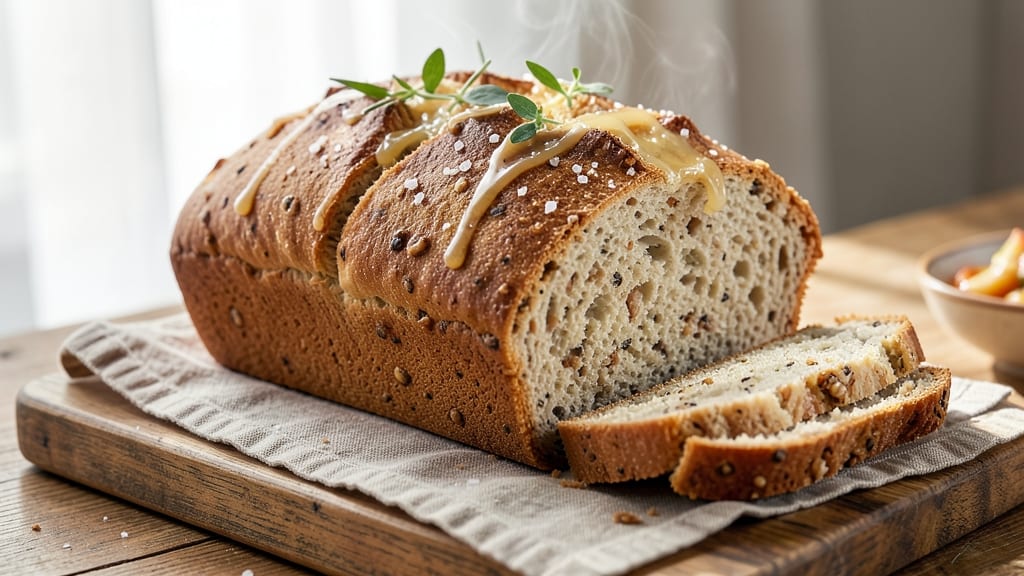
This 50/50 bread recipe for bread maker transforms simple ingredients into a golden, buttery loaf with perfect texture—no baking experience needed. The magic lies in balancing white and whole wheat flour for a lighter crumb while keeping it nutritious, all handled effortlessly by your bread machine.
I’ve tested this recipe dozens of times, and it consistently delivers a crust that’s crisp enough to hold butter without crumbling, with a soft interior that’s ideal for sandwiches or toast.
What sets this recipe apart is the foolproof method that accounts for bread maker variations—whether yours has a kneading cycle or not. The dough develops naturally during the machine’s process, so you only need to prep ingredients and let the appliance do the work.
For that signature buttery swirl, I fold in softened butter at the end, creating layers that melt into every bite. This approach ensures your loaf stays moist for days, even without a bread box.
The result is a restaurant-quality loaf that’s surprisingly easy to achieve at home. No more guessing about hydration or kneading—your bread maker handles the precision while you focus on the simple prep.
The aroma of freshly baked bread filling your kitchen will make it feel like you’ve mastered the art, even on your first try. Perfect for breakfast toast, sandwiches, or gifting to neighbors, this recipe proves homemade bread doesn’t require complicated techniques.
For best results, use all-purpose flour and whole wheat flour in equal parts, and measure your ingredients precisely. The recipe scales perfectly for most bread maker pans, and leftovers stay fresh for up to 3 days when stored properly.
Let’s get started—your bread maker is about to become your new favorite kitchen tool.
Ingredients for 50 50 bread recipe for bread maker
Simple ingredients, bread maker magic—your golden loaf is just minutes away.
| Ingredient | Amount | Notes |
|---|---|---|
| All-Purpose Flour 🌾 | 2 cups | Sifted for even texture |
| Whole Wheat Flour 🌾 | 2 cups | Unbleached preferred |
| Granulated Sugar 🍚 | ¼ cup | White or light brown |
| Active Dry Yeast 🍞 | ¼ oz | 1 packet, room temperature |
| Unsalted Butter 🧈 | ½ cup | Softened to room temperature |
| Large Eggs 🥚 | 1 whole | Room temperature |
| Warm Water 💧 | 1 ¼ cups | 110°F for yeast activation |
| Salt 🧂 | 1 ½ tsp | Diamond Crystal kosher |
| Milk 🥛 | ¼ cup | Warm, any variety |
| Granulated White Sugar 🍚 | 1 tbsp | For dough swirl |
| Vanilla Extract 🌸 | 1 tsp | Pure vanilla preferred |
The flours are the heart of this recipe. King Arthur all-purpose and Bob's Red Mill whole wheat are my go-tos for that perfect 50/50 balance—light yet nutritious. If you can't find unbleached whole wheat, regular works fine, but the flavor will be slightly less mellow. The yeast needs to be fresh—check the date on the package and use it within 3 months for best results. For the butter, Land O'Lakes unsalted is my favorite, but any brand will work as long as it's softened to room temperature. Pro tip: if your butter is too cold, microwave it for 15 seconds to speed up the process without melting it completely.
No vanilla extract? Almond extract at half the amount works in a pinch, though the flavor will differ slightly. Running short on milk? Warm water plus a pinch of salt mimics the same effect. The sugar can be swapped for honey (use 2 tbsp instead of 1 tbsp), but it may darken the crust slightly. For a richer dough, add 1 tbsp melted butter to the warm water mixture. If you're using a bread maker with a small pan, reduce the flour by 1/4 cup to avoid overflow. And trust me, the buttery swirl is worth the extra 2 minutes of kneading by hand if your machine doesn't have a swirl function.
This dough keeps for 24 hours in the fridge if you need to prep ahead, but it's best used immediately for maximum freshness. For the perfect crust, brush the top with melted butter right after baking. Store wrapped in a clean kitchen towel for 3 days to keep it soft, or freeze slices for up to 3 months. The swirl layers stay intact for about 2 days before they start to blend together—so enjoy your masterpiece while it's at its peak!
Why You'll Love This Recipe
- No-Knead Magic: I swear by this—just toss the dough in the bread maker, and it handles all the hard work. No rolling, no shaping, no waiting for gluten to wake up. The 50/50 flour mix (half all-purpose, half whole wheat) gives it structure without gummy chaos, and the yeast does all the rising while I’m scrolling or sipping coffee.
- Sweet Butter Crust: That little pat of unsalted butter in the dough? It melts into the crust during baking, creating this irresistible golden crackle. Honestly, it’s the kind of bread where you’ll catch yourself licking your fingers mid-slice—no fancy toppings needed.
- Weeknight Wonder: Between us, this is my go-to when I forget to meal prep. Toss a few slices in the freezer for toast or sandwiches later, and it reheats like a dream. The whole wheat keeps it hearty, while the sugar just makes everything taste a little more indulgent—even on a Tuesday.
- Budget-Friendly Staple: I buy flour and butter in bulk, and this recipe stretches my grocery money. A single batch feeds my family for days—from toast to French toast to garlic bread. Plus, the sugar isn’t even enough to make it feel like dessert, so it’s a win-win for my wallet and my sweet tooth.
Step-by-step instructions for 50/50 bread maker magic
This breadmaker recipe delivers perfect texture and irresistible buttery swirls every time—just follow these precise steps.
Activate the Yeast and Mix the Dough
In the bread maker pan, combine the 1.25 cups warm water (about 110°F), 0.25 cup granulated sugar, and 0.25 oz active dry yeast. Let this mixture sit for 5-10 minutes until it becomes frothy—this confirms the yeast is alive and ready to work. If it doesn't bubble, your yeast may be dead, and you'll need to start over.
Next, add the 2 cups all-purpose flour, 2 cups whole wheat flour, 1.5 tsp salt, 1 whole large egg, 0.25 cup milk, 1 tsp vanilla extract, and 0.5 cup softened unsalted butter to the pan. Use a wooden spoon to stir everything together until a shaggy dough forms. The butter should be incorporated but still visible as small chunks—this will create those beautiful swirls later.
Create the Buttery Swirl Dough
In a small bowl, mix the 1 tbsp granulated white sugar with 1 tbsp of the milk to create a thin syrup. This sweet mixture will caramelize during baking, adding depth of flavor to your bread.
Take the dough out of the pan and place it on a lightly floured surface. Gently press it into a rectangle about ½-inch thick. Spread the remaining 0.375 cup softened butter evenly over the dough, leaving a ½-inch border around the edges. This ensures the butter stays contained during the swirl. Then, drizzle the sugar-milk mixture over the butter. Fold the dough over itself like a letter, sealing the edges tightly to trap the butter inside. This creates the signature swirl pattern that makes this bread so special.
Shape and Place in the Bread Maker
Roll the dough into a smooth, round loaf and place it seam-side down into the bread maker pan. The dough should fit snugly but not overflow. If it’s too large, gently press it down to fit—this ensures even baking and prevents a dense crumb.
Set your bread maker to the "Basic White Bread" setting with a light crust option. The machine will automatically knead, rise, and bake the bread for you. The total cycle will take about 3-4 hours, including kneading and proofing time. Avoid opening the lid during this process—interrupting the cycle can cause the dough to collapse and affect the final texture.
Bake to Golden Perfection
Once the bread maker completes its cycle, remove the loaf and place it on a wire rack to cool for at least 15 minutes. This resting time allows the bread to set and prevents a gummy interior. The crust should be golden brown with a slight sheen, and the swirls of butter should be visible through the top.
For the best results, slice the bread while it’s still slightly warm. The interior should be soft and fluffy, with pockets of buttery richness from the swirls. If the bread feels dense, it may not have risen enough—next time, ensure your yeast is fresh and your water is at the correct temperature (110°F). Enjoy your homemade 50/50 bread fresh out of the maker!
Pro Tips For Making 50 50 Bread Recipe For Bread Maker
- Weigh Your Flours: I learned this the hard way—measuring cups with whole wheat flour pack differently than all-purpose. Use a kitchen scale for the 50/50 mix to guarantee equal parts by weight, or your texture will lean too dense. (Yes, even if you're impatient like me.)
- Soften the Butter First: Cold butter from the fridge won’t melt properly in the bread maker’s cycle, leaving greasy spots in your dough. Cut it into small cubes and let it sit at room temperature for 10-15 minutes before adding it to the recipe—this ensures even distribution.
- Skip the Extra Yeast: Whole wheat flour absorbs moisture differently, so the dough rises slower. Stick to the recipe’s yeast amount—adding more won’t speed things up, it’ll just make your bread taste bitter and overproof. Trust the process.
- Use a Damp Brush: The 50/50 mix can dry out faster than all-white bread. Before baking, lightly brush the loaf with water using a pastry brush—this guarantees a crisp crust without sacrificing moisture inside. (Your future self will thank you.)
Troubleshooting your 50 50 bread recipe for bread maker
Dense or Gummy Bread
If your loaf turns out dense or gummy, the most likely culprit is underproofed dough. First, check your yeast—it should be fresh and activated properly. Warm the water to exactly 110°F using a kitchen thermometer, as temperatures below 100°F slow yeast activity while anything above 115°F kills it.
Also, ensure your bread maker pan isn't overfilled—press down any excess dough to create even space for rising. 💡
Flat or Underbaked Loaf
A flat or underbaked loaf often results from improper dough placement or interrupted cycles. Make sure the dough is centered in the pan and doesn't touch the sides, which can inhibit rising.
Never open the bread maker lid during the kneading or proofing stages—this sudden temperature change causes dough to collapse. If your machine has a "light crust" option, try switching to "medium" for better oven spring. 🔥
Excessively Dry Crust
For a dry crust, your bread maker might be running too hot or the dough could be too dry. First, verify your bread maker's temperature settings—most home models run between 350-375°F. If your crust is still too dry, try adding 1 extra tablespoon of milk to the dough mixture.
For an extra-crispy crust, brush the top with melted butter immediately after baking while the loaf is still warm. ✨
Butter Leaking Out
Butter leaking during baking usually means the dough wasn't sealed properly during the swirl. When creating the swirl, press the edges firmly together to create a tight seal. If your butter is too soft, chill the dough for 10 minutes in the fridge before shaping to help it hold together.
For extra insurance, use cold butter (softened but not melted) and work quickly when incorporating it into the dough. 🧈
Uneven Rising
Uneven rising often occurs when the dough isn't distributed evenly in the pan. After shaping, gently press the dough down to remove any air pockets, then let it rest for 5 minutes before placing it in the bread maker.
If your machine has a "delay start" feature, use it to allow the dough to proof more evenly. Also, make sure your bread maker is on a level surface—vibrations during kneading can cause uneven rising. 💪
Nutrition facts
Frequently asked questions
Can I use all whole wheat flour instead of the 50/50 mix?
You can try, but expect a denser texture and stronger whole wheat flavor. The 50/50 ratio balances nutrition with lightness—whole wheat adds fiber and nutrients while all-purpose keeps the crumb tender. For best results, stick to the ratio, but if you must substitute, reduce the whole wheat by 1 cup and add 1 cup vital wheat gluten to improve rise.
My bread maker doesn't have a swirl function—how can I still get the buttery layers?
No problem! After shaping the dough into a ball, press it into a ½-inch thick rectangle, spread the butter evenly (leaving a ½-inch border), then fold it like a letter. Place it seam-side down in the pan. The bread maker's kneading cycle will distribute the butter naturally, creating subtle swirls even without a dedicated function.
How do I store leftover 50/50 bread to keep it fresh?
Wrap the cooled loaf tightly in a clean kitchen towel or beeswax wrap, then place it in a paper bag at room temperature for up to 3 days. For longer storage, slice and freeze individual portions for up to 3 months. To revive frozen slices, warm them in a 350°F oven for 5-10 minutes until toasty.
Can I add seeds or nuts to this recipe?
Add ½ cup seeds (sunflower, pumpkin) or chopped nuts (walnuts, pecans) to the dough after mixing all wet ingredients. Just reduce the flour by ¼ cup to maintain the right consistency. Toast the seeds/nuts first for 3-5 minutes at 350°F to enhance flavor and prevent sogginess.
Why does my bread smell like yeast even after baking?
A strong yeast aroma usually means the dough didn't rise fully. Check your yeast freshness (it should be 3 months old or newer) and water temperature (110°F). If the problem persists, try adding ½ tsp extra sugar to the dough to feed the yeast more effectively. Let the bread cool completely before slicing—warm bread releases more yeasty aromas.